Connect With Us
Blog
Items filtered by date: April 2025
Tuesday, 29 April 2025 00:00
Definition and Risk Factors for Toenail Fungus
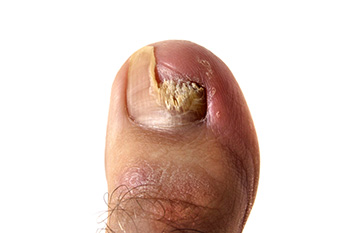
Toenail fungus, also known as onychomycosis, is a common infection that affects the toenails, causing them to become discolored, thickened, brittle, and sometimes painful. This condition is caused by fungi that thrive in warm, moist environments, such as locker rooms, public shower areas, and inside tight or poorly ventilated shoes. The fungus enters through small cracks or breaks in the nail or surrounding skin. Certain risk factors increase the likelihood of developing toenail fungus, including advancing age, reduced blood circulation, weakened immune function, and frequent exposure to damp conditions. People with diabetes or a history of athlete's foot are also more susceptible. If you have developed this condition, it is suggested that you contact a podiatrist who can offer you appropriate treatment options.
If left untreated, toenail fungus may spread to other toenails, skin, or even fingernails. If you suspect you have toenail fungus it is important to seek treatment right away. For more information about treatment, contact one of our podiatrists of Toe-Tal Family Foot & Wound Care Professionals . Our doctors can provide the care you need to keep you pain-free and on your feet.
Symptoms
- Warped or oddly shaped nails
- Yellowish nails
- Loose/separated nail
- Buildup of bits and pieces of nail fragments under the nail
- Brittle, broken, thickened nail
Treatment
If self-care strategies and over-the-counter medications does not help your fungus, your podiatrist may give you a prescription drug instead. Even if you find relief from your toenail fungus symptoms, you may experience a repeat infection in the future.
Prevention
In order to prevent getting toenail fungus in the future, you should always make sure to wash your feet with soap and water. After washing, it is important to dry your feet thoroughly especially in between the toes. When trimming your toenails, be sure to trim straight across instead of in a rounded shape. It is crucial not to cover up discolored nails with nail polish because that will prevent your nail from being able to “breathe”.
In some cases, surgical procedure may be needed to remove the toenail fungus. Consult with your podiatrist about the best treatment options for your case of toenail fungus.
If you have any questions please contact our office located in Vista, CA and Las Vegas, NV . We offer the newest diagnostic and treatment technologies for all your foot and ankle needs.
Published in Blog
Tuesday, 29 April 2025 00:00
Definition and Risk Factors for Toenail Fungus
Toenail fungus, also known as onychomycosis, is a common infection that affects the toenails, causing them to become discolored, thickened, brittle, and sometimes painful. This condition is caused by fungi that thrive in warm, moist environments, such as locker rooms, public shower areas, and inside tight or poorly ventilated shoes. The fungus enters through small cracks or breaks in the nail or surrounding skin. Certain risk factors increase the likelihood of developing toenail fungus, including advancing age, reduced blood circulation, weakened immune function, and frequent exposure to damp conditions. People with diabetes or a history of athlete's foot are also more susceptible. If you have developed this condition, it is suggested that you contact a podiatrist who can offer you appropriate treatment options.
If left untreated, toenail fungus may spread to other toenails, skin, or even fingernails. If you suspect you have toenail fungus it is important to seek treatment right away. For more information about treatment, contact one of our podiatrists of Toe-Tal Family Foot & Wound Care Professionals . Our doctors can provide the care you need to keep you pain-free and on your feet.
Symptoms
- Warped or oddly shaped nails
- Yellowish nails
- Loose/separated nail
- Buildup of bits and pieces of nail fragments under the nail
- Brittle, broken, thickened nail
Treatment
If self-care strategies and over-the-counter medications does not help your fungus, your podiatrist may give you a prescription drug instead. Even if you find relief from your toenail fungus symptoms, you may experience a repeat infection in the future.
Prevention
In order to prevent getting toenail fungus in the future, you should always make sure to wash your feet with soap and water. After washing, it is important to dry your feet thoroughly especially in between the toes. When trimming your toenails, be sure to trim straight across instead of in a rounded shape. It is crucial not to cover up discolored nails with nail polish because that will prevent your nail from being able to “breathe”.
In some cases, surgical procedure may be needed to remove the toenail fungus. Consult with your podiatrist about the best treatment options for your case of toenail fungus.
If you have any questions, please feel free to contact our office located in Vista, CA and Las Vegas, NV . We offer the newest diagnostic and treatment technologies for all your foot care needs.
Published in Blog
Tuesday, 22 April 2025 00:00
Cellulitis and Your Toenails
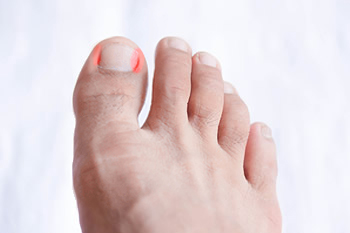
Cellulitis is a bacterial skin infection that affects the deeper layers of the skin and underlying tissue. It occurs when bacteria enter through a break in the skin, leading to redness, swelling, and pain. In the case of the toenails, cellulitis can develop from other infections, such as athlete’s foot or an ingrown toenail. Athlete’s foot causes cracks in the skin between the toes, which can allow bacteria to invade, while an ingrown toenail can lead to infection in the surrounding tissue, causing redness, swelling, and pain. Symptoms of cellulitis in the toenails include warmth, redness, swelling, and tenderness in the affected area. The skin may feel tight and painful, and there may be drainage or pus if the infection worsens. If left untreated, cellulitis can spread and cause serious complications. A podiatrist can treat cellulitis by prescribing antibiotics, draining any abscesses, and addressing the underlying cause, such as treating athlete’s foot or correcting an ingrown toenail. If you are dealing with this condition, it is suggested that you make an appointment with a podiatrist for care.
Ingrown toenails may initially present themselves as a minor discomfort, but they may progress into an infection in the skin without proper treatment. For more information about ingrown toenails, contact one of our podiatrists of Toe-Tal Family Foot & Wound Care Professionals . Our doctors can provide the care you need to keep you pain-free and on your feet.
Ingrown Toenails
Ingrown toenails are caused when the corner or side of a toenail grows into the soft flesh surrounding it. They often result in redness, swelling, pain, and in some cases, infection. This condition typically affects the big toe and may recur if it is not treated properly.
Causes
- Improper toenail trimming
- Genetics
- Improper shoe fitting
- Injury from pedicures or nail picking
- Abnormal gait
- Poor hygiene
You are more likely to develop an ingrown toenail if you are obese, have diabetes, arthritis, or have any fungal infection in your nails. Additionally, people who have foot or toe deformities are at a higher risk of developing an ingrown toenail.
Symptoms
Some symptoms of ingrown toenails are redness, swelling, and pain. In rare cases, there may be a yellowish drainage coming from the nail.
Treatment
Ignoring an ingrown toenail can have serious complications. Infections of the nail border can progress to a deeper soft-tissue infection, which can then turn into a bone infection. You should always speak with your podiatrist if you suspect you have an ingrown toenail, especially if you have diabetes or poor circulation.
If you have any questions, please feel free to contact our office located in Vista, CA and Las Vegas, NV . We offer the newest diagnostic and treatment technologies for all your foot care needs.
Published in Blog
Tuesday, 22 April 2025 00:00
Cellulitis and Your Toenails
Cellulitis is a bacterial skin infection that affects the deeper layers of the skin and underlying tissue. It occurs when bacteria enter through a break in the skin, leading to redness, swelling, and pain. In the case of the toenails, cellulitis can develop from other infections, such as athlete’s foot or an ingrown toenail. Athlete’s foot causes cracks in the skin between the toes, which can allow bacteria to invade, while an ingrown toenail can lead to infection in the surrounding tissue, causing redness, swelling, and pain. Symptoms of cellulitis in the toenails include warmth, redness, swelling, and tenderness in the affected area. The skin may feel tight and painful, and there may be drainage or pus if the infection worsens. If left untreated, cellulitis can spread and cause serious complications. A podiatrist can treat cellulitis by prescribing antibiotics, draining any abscesses, and addressing the underlying cause, such as treating athlete’s foot or correcting an ingrown toenail. If you are dealing with this condition, it is suggested that you make an appointment with a podiatrist for care.
Ingrown toenails may initially present themselves as a minor discomfort, but they may progress into an infection in the skin without proper treatment. For more information about ingrown toenails, contact one of our podiatrists of Toe-Tal Family Foot & Wound Care Professionals . Our doctors can provide the care you need to keep you pain-free and on your feet.
Ingrown Toenails
Ingrown toenails are caused when the corner or side of a toenail grows into the soft flesh surrounding it. They often result in redness, swelling, pain, and in some cases, infection. This condition typically affects the big toe and may recur if it is not treated properly.
Causes
- Improper toenail trimming
- Genetics
- Improper shoe fitting
- Injury from pedicures or nail picking
- Abnormal gait
- Poor hygiene
You are more likely to develop an ingrown toenail if you are obese, have diabetes, arthritis, or have any fungal infection in your nails. Additionally, people who have foot or toe deformities are at a higher risk of developing an ingrown toenail.
Symptoms
Some symptoms of ingrown toenails are redness, swelling, and pain. In rare cases, there may be a yellowish drainage coming from the nail.
Treatment
Ignoring an ingrown toenail can have serious complications. Infections of the nail border can progress to a deeper soft-tissue infection, which can then turn into a bone infection. You should always speak with your podiatrist if you suspect you have an ingrown toenail, especially if you have diabetes or poor circulation.
If you have any questions, please feel free to contact our office located in Vista, CA and Las Vegas, NV . We offer the newest diagnostic and treatment technologies for all your foot care needs.
Published in Blog
Tuesday, 15 April 2025 00:00
Understanding Cuboid Syndrome and Its Effects
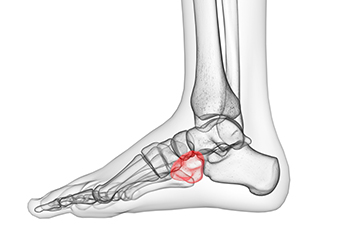
Cuboid syndrome is a condition that occurs when the cuboid bone in the foot becomes misaligned or partially dislocated, often due to overuse or injury. The cuboid is a small bone located on the outer side of the foot, near the middle, and plays a key role in foot stability and movement. Pain from cuboid syndrome is typically felt along the outer edge of the foot and may extend into the arch or toward the toes. The discomfort can be sharp or aching and often worsens with walking, running, or standing for long periods. Causes may include repetitive strain, wearing improper footwear, or sudden twisting motions. If you have pain in this part of your foot, it is suggested that you contact a podiatrist who can accurately diagnose and treat cuboid syndrome.
Cuboid syndrome, also known as cuboid subluxation, occurs when the joints and ligaments near the cuboid bone in the foot become torn. If you have cuboid syndrome, consult with one of our podiatrists from Toe-Tal Family Foot & Wound Care Professionals . Our doctors will assess your condition and provide you with quality foot and ankle treatment.
Cuboid syndrome is a common cause of lateral foot pain, which is pain on the outside of the foot. The condition may happen suddenly due to an ankle sprain, or it may develop slowly overtime from repetitive tension through the bone and surrounding structures.
Causes
The most common causes of cuboid syndrome include:
- Injury – The most common cause of this ailment is an ankle sprain.
- Repetitive Strain – Tension placed through the peroneus longus muscle from repetitive activities such as jumping and running may cause excessive traction on the bone causing it to sublux.
- Altered Foot Biomechanics – Most people suffering from cuboid subluxation have flat feet.
Symptoms
A common symptom of cuboid syndrome is pain along the outside of the foot which can be felt in the ankle and toes. This pain may create walking difficulties and may cause those with the condition to walk with a limp.
Diagnosis
Diagnosis of cuboid syndrome is often difficult, and it is often misdiagnosed. X-rays, MRIs and CT scans often fail to properly show the cuboid subluxation. Although there isn’t a specific test used to diagnose cuboid syndrome, your podiatrist will usually check if pain is felt while pressing firmly on the cuboid bone of your foot.
Treatment
Just as the range of causes varies widely, so do treatments. Some more common treatments are ice therapy, rest, exercise, taping, and orthotics.
If you have any questions, please feel free to contact our office located in Vista, CA and Las Vegas, NV . We offer the newest diagnostic and treatment technologies for all your foot care needs.
Published in Blog
Tuesday, 15 April 2025 00:00
Understanding Cuboid Syndrome and Its Effects
Cuboid syndrome is a condition that occurs when the cuboid bone in the foot becomes misaligned or partially dislocated, often due to overuse or injury. The cuboid is a small bone located on the outer side of the foot, near the middle, and plays a key role in foot stability and movement. Pain from cuboid syndrome is typically felt along the outer edge of the foot and may extend into the arch or toward the toes. The discomfort can be sharp or aching and often worsens with walking, running, or standing for long periods. Causes may include repetitive strain, wearing improper footwear, or sudden twisting motions. If you have pain in this part of your foot, it is suggested that you contact a podiatrist who can accurately diagnose and treat cuboid syndrome.
Cuboid syndrome, also known as cuboid subluxation, occurs when the joints and ligaments near the cuboid bone in the foot become torn. If you have cuboid syndrome, consult with one of our podiatrists from Toe-Tal Family Foot & Wound Care Professionals . Our doctors will assess your condition and provide you with quality foot and ankle treatment.
Cuboid syndrome is a common cause of lateral foot pain, which is pain on the outside of the foot. The condition may happen suddenly due to an ankle sprain, or it may develop slowly overtime from repetitive tension through the bone and surrounding structures.
Causes
The most common causes of cuboid syndrome include:
- Injury – The most common cause of this ailment is an ankle sprain.
- Repetitive Strain – Tension placed through the peroneus longus muscle from repetitive activities such as jumping and running may cause excessive traction on the bone causing it to sublux.
- Altered Foot Biomechanics – Most people suffering from cuboid subluxation have flat feet.
Symptoms
A common symptom of cuboid syndrome is pain along the outside of the foot which can be felt in the ankle and toes. This pain may create walking difficulties and may cause those with the condition to walk with a limp.
Diagnosis
Diagnosis of cuboid syndrome is often difficult, and it is often misdiagnosed. X-rays, MRIs and CT scans often fail to properly show the cuboid subluxation. Although there isn’t a specific test used to diagnose cuboid syndrome, your podiatrist will usually check if pain is felt while pressing firmly on the cuboid bone of your foot.
Treatment
Just as the range of causes varies widely, so do treatments. Some more common treatments are ice therapy, rest, exercise, taping, and orthotics.
If you have any questions, please feel free to contact our office located in Vista, CA and Las Vegas, NV . We offer the newest diagnostic and treatment technologies for all your foot care needs.
Published in Blog
Wednesday, 09 April 2025 00:00
Why Live with Pain and Numbness in Your Feet?

Suffering from this type of pain? You may have the foot condition known as Morton's neuroma. Morton's neuroma may develop as a result of ill-fitting footwear and existing foot deformities. We can help.
Published in Blog
Wednesday, 09 April 2025 00:00
Why Live with Pain and Numbness in Your Feet?
Suffering from this type of pain? You may have the foot condition known as Morton's neuroma. Morton's neuroma may develop as a result of ill-fitting footwear and existing foot deformities. We can help.
Published in Blog
Tuesday, 08 April 2025 00:00
Finding Relief from Heel Injuries and Disorders

Heel pain is a frequent complaint that can interfere with daily life, whether it starts suddenly or develops over time. Injuries and disorders affecting the heel include plantar fasciitis, Achilles tendonitis, heel spurs, and bursitis. These conditions often result from repetitive stress, poor footwear, or biomechanical issues such as flat feet or high arches. Some individuals may experience sharp pain with the first steps in the morning, while others notice discomfort after long periods of standing or activity. Ignoring heel pain may lead to worsening symptoms and further injury. Treatment often includes rest, wearing supportive shoes, stretching exercises, and, in some cases, custom orthotics. If you are experiencing persistent heel pain or discomfort that is limiting your mobility, it is suggested that you see a podiatrist for a proper diagnosis and treatment to restore comfort and function.
Many people suffer from bouts of heel pain. For more information, contact one of our podiatrists of Toe-Tal Family Foot & Wound Care Professionals . Our doctors can provide the care you need to keep you pain-free and on your feet.
Causes of Heel Pain
Heel pain is often associated with plantar fasciitis. The plantar fascia is a band of tissues that extends along the bottom of the foot. A rip or tear in this ligament can cause inflammation of the tissue.
Achilles tendonitis is another cause of heel pain. Inflammation of the Achilles tendon will cause pain from fractures and muscle tearing. Lack of flexibility is also another symptom.
Heel spurs are another cause of pain. When the tissues of the plantar fascia undergo a great deal of stress, it can lead to ligament separation from the heel bone, causing heel spurs.
Why Might Heel Pain Occur?
- Wearing ill-fitting shoes
- Wearing non-supportive shoes
- Weight change
- Excessive running
Treatments
Heel pain should be treated as soon as possible for immediate results. Keeping your feet in a stress-free environment will help. If you suffer from Achilles tendonitis or plantar fasciitis, applying ice will reduce the swelling. Stretching before an exercise like running will help the muscles. Using all these tips will help make heel pain a condition of the past.
If you have any questions, please feel free to contact our office located in Vista, CA and Las Vegas, NV . We offer the newest diagnostic and treatment technologies for all your foot care needs.
Published in Blog
Tuesday, 08 April 2025 00:00
Finding Relief from Heel Injuries and Disorders
Heel pain is a frequent complaint that can interfere with daily life, whether it starts suddenly or develops over time. Injuries and disorders affecting the heel include plantar fasciitis, Achilles tendonitis, heel spurs, and bursitis. These conditions often result from repetitive stress, poor footwear, or biomechanical issues such as flat feet or high arches. Some individuals may experience sharp pain with the first steps in the morning, while others notice discomfort after long periods of standing or activity. Ignoring heel pain may lead to worsening symptoms and further injury. Treatment often includes rest, wearing supportive shoes, stretching exercises, and, in some cases, custom orthotics. If you are experiencing persistent heel pain or discomfort that is limiting your mobility, it is suggested that you see a podiatrist for a proper diagnosis and treatment to restore comfort and function.
Many people suffer from bouts of heel pain. For more information, contact one of our podiatrists of Toe-Tal Family Foot & Wound Care Professionals . Our doctors can provide the care you need to keep you pain-free and on your feet.
Causes of Heel Pain
Heel pain is often associated with plantar fasciitis. The plantar fascia is a band of tissues that extends along the bottom of the foot. A rip or tear in this ligament can cause inflammation of the tissue.
Achilles tendonitis is another cause of heel pain. Inflammation of the Achilles tendon will cause pain from fractures and muscle tearing. Lack of flexibility is also another symptom.
Heel spurs are another cause of pain. When the tissues of the plantar fascia undergo a great deal of stress, it can lead to ligament separation from the heel bone, causing heel spurs.
Why Might Heel Pain Occur?
- Wearing ill-fitting shoes
- Wearing non-supportive shoes
- Weight change
- Excessive running
Treatments
Heel pain should be treated as soon as possible for immediate results. Keeping your feet in a stress-free environment will help. If you suffer from Achilles tendonitis or plantar fasciitis, applying ice will reduce the swelling. Stretching before an exercise like running will help the muscles. Using all these tips will help make heel pain a condition of the past.
If you have any questions please contact our office located in Vista, CA and Las Vegas, NV . We offer the newest diagnostic and treatment technologies for all your foot and ankle needs.
Published in Blog
