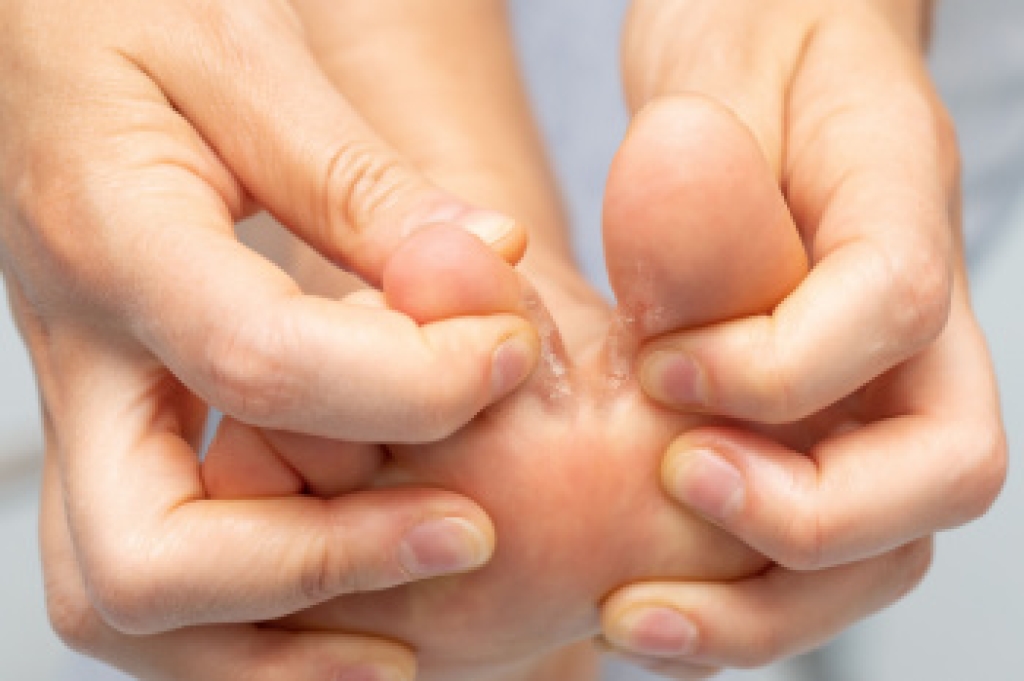
How Athlete’s Foot Spreads and Why It Matters

Athlete’s foot is a common fungal infection that affects the skin, usually between the toes. It often begins with itching, burning, or peeling and can spread quickly in warm, moist environments. Locker rooms, shared showers, and damp socks create perfect conditions for this infection to thrive. Athlete’s foot is contagious. It can be passed through direct skin contact or by walking barefoot on contaminated surfaces. Sharing shoes, towels, or even carpets with someone who has it increases the risk. The fungus can also spread to other parts of the body if not treated properly. Because it can be persistent and easily transmitted, early treatment is essential. If symptoms continue or return, it is suggested that you see a podiatrist for an accurate diagnosis and stronger options to prevent spreading or recurrence.

Athlete’s Foot

Athlete’s foot is often an uncomfortable condition to experience. Thankfully, podiatrists specialize in treating athlete’s foot and offer the best treatment options. If you have any questions about athlete’s foot, consult with one of our podiatrists from Toe-Tal Family Foot & Wound Care Professionals . Our doctors will assess your condition and provide you with quality treatment.

What Is Athlete’s Foot?

Tinea pedis, more commonly known as athlete’s foot, is a non-serious and common fungal infection of the foot. Athlete’s foot is contagious and can be contracted by touching someone who has it or infected surfaces. The most common places contaminated by it are public showers, locker rooms, and swimming pools. Once contracted, it grows on feet that are left inside moist, dark, and warm shoes and socks.

Prevention

The most effective ways to prevent athlete’s foot include:

  • Thoroughly washing and drying feet
  • Avoid going barefoot in locker rooms and public showers
  • Using shower shoes in public showers
  • Wearing socks that allow the feet to breathe
  • Changing socks and shoes frequently if you sweat a lot

Symptoms

Athlete’s foot initially occurs as a rash between the toes. However, if left undiagnosed, it can spread to the sides and bottom of the feet, toenails, and if touched by hand, the hands themselves. Symptoms include:

  • Redness
  • Burning
  • Itching
  • Scaly and peeling skin

Diagnosis and Treatment

Diagnosis is quick and easy. Skin samples will be taken and either viewed under a microscope or sent to a lab for testing. Sometimes, a podiatrist can diagnose it based on simply looking at it. Once confirmed, treatment options include oral and topical antifungal medications.

If you have any questions, please feel free to contact our office located in Vista, CA and Las Vegas, NV . We offer the newest diagnostic and treatment technologies for all your foot care needs.
Read more about Athlete’s Foot

Considering Bunion Surgery?

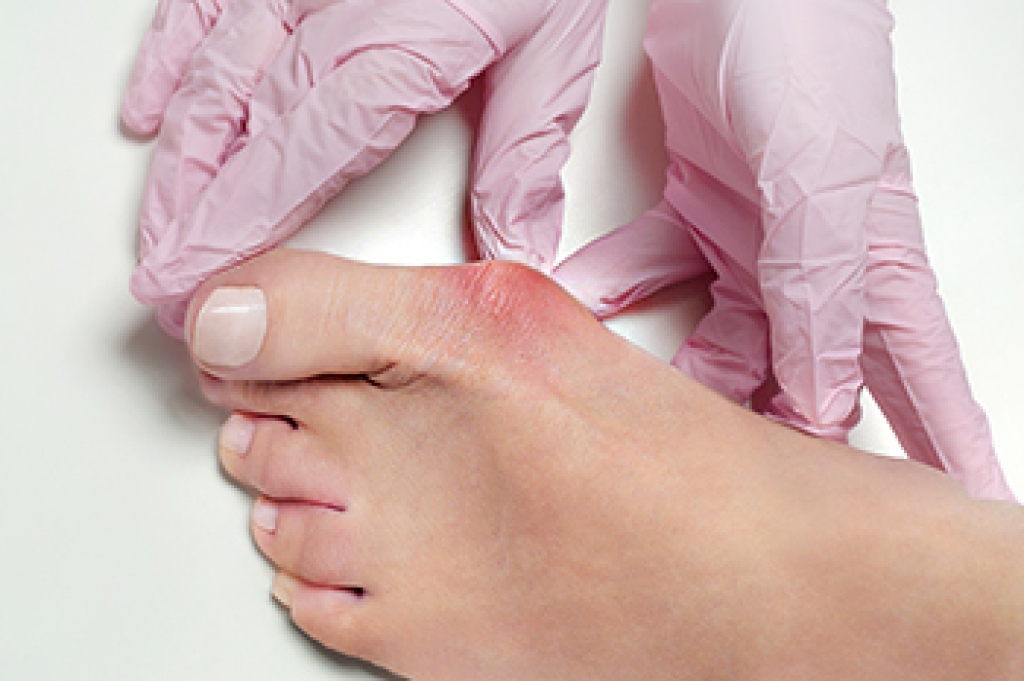
Bunions are more than just a cosmetic issue, they can cause severe pain that limits daily activities. This foot deformity often results from genetic factors, arthritis, or wearing tight, narrow shoes. Symptoms include chronic inflammation, stiffness, and a noticeable bump at the base of the big toe. Beyond the typical pain and swelling, bunions can lead to difficulty walking, finding comfortable footwear, and even changes in foot structure that affect balance. When pain becomes severe and conservative treatments no longer provide relief, bunion surgery may be necessary. A podiatrist will assess the structural irregularity and recommend the best surgical approach to realign the toe and reduce pain. Surgery is often medically necessary due to chronic inflammation, stiffness, and impaired function. Postoperative care and rehabilitation from your podiatrist help ensure a successful recovery. If you have a bunion that has become painful, it is suggested that you schedule an appointment with a podiatrist for relief and treatment solutions.

If you are suffering from bunion pain, contact one of our podiatrists of Toe-Tal Family Foot & Wound Care Professionals . Our doctors can provide the care you need to keep you pain-free and on your feet.

What Is a Bunion?

Bunions are painful bony bumps that usually develop on the inside of the foot at the joint of the big toe. As the deformity increases over time, it may become painful to walk and wear shoes. Women are more likely to exacerbate existing bunions since they often wear tight, narrow shoes that shift their toes together. Bunion pain can be relieved by wearing wider shoes with enough room for the toes.

Causes

  • Genetics – some people inherit feet that are more prone to bunion development
  • Inflammatory Conditions - rheumatoid arthritis and polio may cause bunion development

Symptoms

  • Redness and inflammation
  • Pain and tenderness
  • Callus or corns on the bump
  • Restricted motion in the big toe

In order to diagnose your bunion, your podiatrist may ask about your medical history, symptoms, and general health. Your doctor might also order an x-ray to take a closer look at your feet. Nonsurgical treatment options include orthotics, padding, icing, changes in footwear, and medication. If nonsurgical treatments don’t alleviate your bunion pain, surgery may be necessary.

If you have any questions, please feel free to contact our office located in Vista, CA and Las Vegas, NV . We offer the newest diagnostic and treatment technologies for all your foot care needs.
Read more about Bunions

Finding Relief From Heel Pain

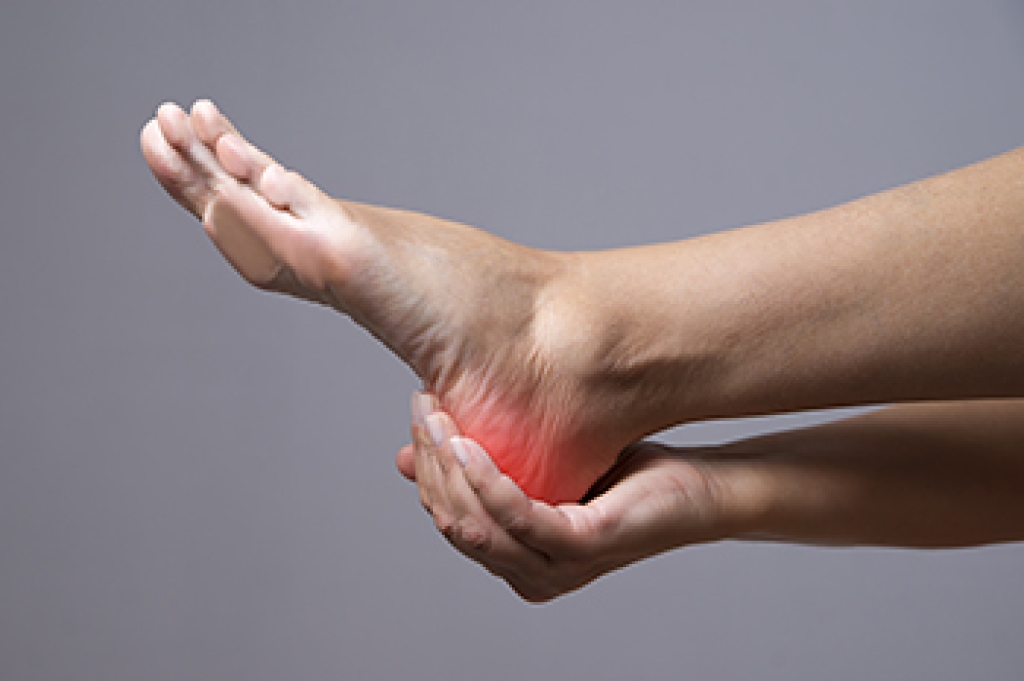
Heel pain can interfere with your ability to walk comfortably and stay active. It often develops from overuse, wearing poor footwear, or an underlying condition such as plantar fasciitis. The discomfort may appear gradually or suddenly, especially after periods of rest. Choosing supportive shoes with proper cushioning can reduce strain on the heel. Stretching exercises for the calf muscles and the bottom of the foot may also help improve flexibility and ease tension. Resting the foot is a common first step when pain appears. In some cases, custom orthotics or other conservative treatments may be necessary to address the root cause. Persistent or worsening heel pain should not be ignored, as it can affect your balance and overall mobility. If heel pain is interfering with your daily activities, it is suggested that you see a podiatrist for a diagnosis and appropriate treatment.

Many people suffer from bouts of heel pain. For more information, contact one of our podiatrists of Toe-Tal Family Foot & Wound Care Professionals . Our doctors can provide the care you need to keep you pain-free and on your feet.

Causes of Heel Pain

Heel pain is often associated with plantar fasciitis. The plantar fascia is a band of tissues that extends along the bottom of the foot. A rip or tear in this ligament can cause inflammation of the tissue.

Achilles tendonitis is another cause of heel pain. Inflammation of the Achilles tendon will cause pain from fractures and muscle tearing. Lack of flexibility is also another symptom.

Heel spurs are another cause of pain. When the tissues of the plantar fascia undergo a great deal of stress, it can lead to ligament separation from the heel bone, causing heel spurs.

Why Might Heel Pain Occur?

  • Wearing ill-fitting shoes                
  • Wearing non-supportive shoes
  • Weight change           
  • Excessive running

Treatments

Heel pain should be treated as soon as possible for immediate results. Keeping your feet in a stress-free environment will help. If you suffer from Achilles tendonitis or plantar fasciitis, applying ice will reduce the swelling. Stretching before an exercise like running will help the muscles. Using all these tips will help make heel pain a condition of the past.

If you have any questions, please feel free to contact our office located in Vista, CA and Las Vegas, NV . We offer the newest diagnostic and treatment technologies for all your foot care needs.
Read more about Heel Pain

Lifestyle Choices and Their Effect on Rheumatoid Arthritis in the Feet

Rheumatoid arthritis is an inflammatory condition that often targets the small joints in the feet and ankles. Certain lifestyle habits may influence both the development and progression of the disease. Smoking is linked to increased joint damage and may reduce the effectiveness of medication. Excess body weight adds pressure to the joints, increasing pain and limiting mobility. Staying active with low-impact exercise can help preserve range of motion and improve strength without adding stress. Wearing supportive footwear and cushioned insoles may ease discomfort during daily movement. Attention to stress levels, nutrition, and rest also plays a role in managing symptoms and maintaining joint health. If you are noticing pain, stiffness, or swelling in your feet and ankles, it is suggested that you schedule an appointment with a podiatrist for additional relief options.

Because RA affects more than just your joints, including the joints in your feet and ankles, it is important to seek early diagnosis from your podiatrist if you feel like the pain in your feet might be caused by RA. For more information, contact one of our podiatrists of Toe-Tal Family Foot & Wound Care Professionals . Our doctors will assist you with all of your podiatric concerns.

What Is Rheumatoid Arthritis?

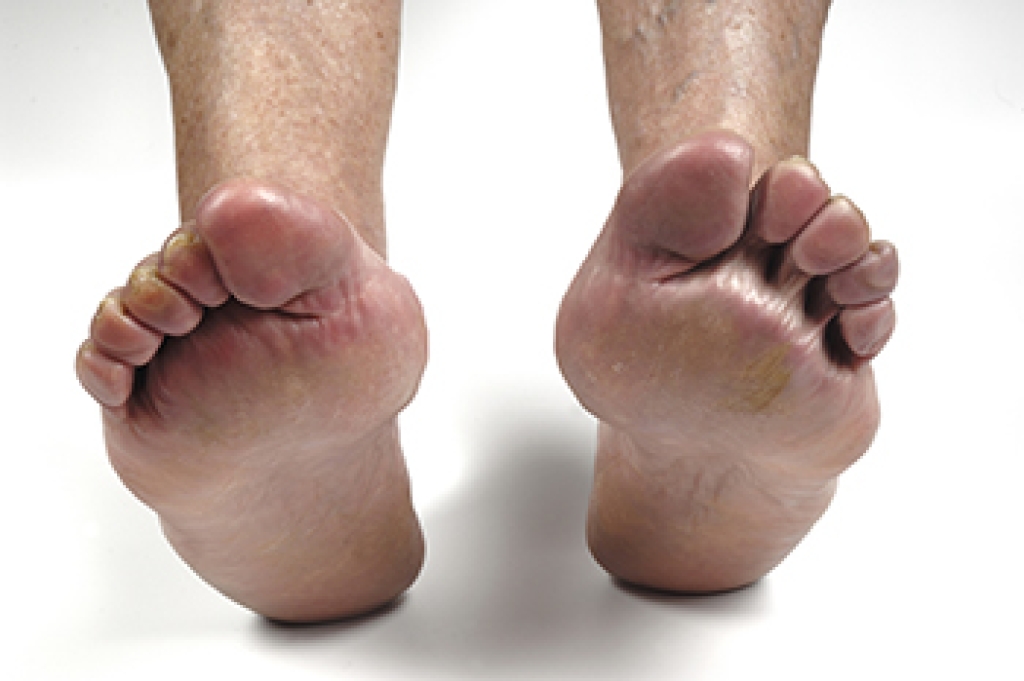
Rheumatoid Arthritis (RA) is an autoimmune disorder in which the body’s own immune system attacks the membranes surrounding the joints. Inflammation of the lining and eventually the destruction of the joint’s cartilage and bone occur, causing severe pain and immobility.

Rheumatoid Arthritis of the Feet

Although RA usually attacks multiple bones and joints throughout the entire body, almost 90 percent of cases result in pain in the foot or ankle area.

Symptoms

  • Swelling and pain in the feet
  • Stiffness in the feet
  • Pain on the ball or sole of feet
  • Joint shift and deformation

Diagnosis

Quick diagnosis of RA in the feet is important so that the podiatrist can treat the area effectively. Your doctor will ask you about your medical history, occupation, and lifestyle to determine the origin of the condition. Rheumatoid Factor tests help to determine if someone is affected by the disease.

If you have any questions, please feel free to contact our office located in Vista, CA and Las Vegas, NV . We offer the newest diagnostic and treatment technologies for all your foot care needs.

Read more about Rheumatoid Arthritis in the Feet

Caring for Diabetic Feet Starts with Everyday Awareness

Diabetes can affect how the feet feel, heal, and function, which is why they need daily attention. Numbness may prevent small injuries from being noticed, and reduced blood flow can slow healing. Simple steps like inspecting feet each day, wearing properly fitted shoes, and keeping the skin clean and moisturized help lower the risk of complications. Gentle nail care and avoiding walking barefoot are also key. Staying active supports circulation, and keeping blood sugar levels in range helps protect nerves and tissues. Despite careful routines, changes can still happen. Signs such as lingering sores, unusual redness, or sudden discomfort deserve professional attention. If your feet are showing new or concerning symptoms, it is suggested that you schedule an appointment with a podiatrist for a diagnosis and appropriate treatment.

Diabetic foot care is important in preventing foot ailments such as ulcers. If you are suffering from diabetes or have any other concerns about your feet, contact one of our podiatrists from Toe-Tal Family Foot & Wound Care Professionals . Our doctors can provide the care you need to keep you pain-free and on your feet.

Diabetic Foot Care

Diabetes affects millions of people every year. The condition can damage blood vessels in many parts of the body, especially the feet. Because of this, taking care of your feet is essential if you have diabetes, and having a podiatrist help monitor your foot health is highly recommended.

The Importance of Caring for Your Feet

  • Routinely inspect your feet for bruises or sores.
  • Wear socks that fit your feet comfortably.
  • Wear comfortable shoes that provide adequate support.

Patients with diabetes should have their doctor monitor their blood levels, as blood sugar levels play such a huge role in diabetic care. Monitoring these levels on a regular basis is highly advised.

It is always best to inform your healthcare professional of any concerns you may have regarding your feet, especially for diabetic patients. Early treatment and routine foot examinations are keys to maintaining proper health, especially because severe complications can arise if proper treatment is not applied.

If you have any questions, please feel free to contact our office located in Vista, CA and Las Vegas, NV . We offer the newest diagnostic and treatment technologies for all your foot care needs.

Read more about How to Care for Diabetic Foot

Connect With Us

scroll to top