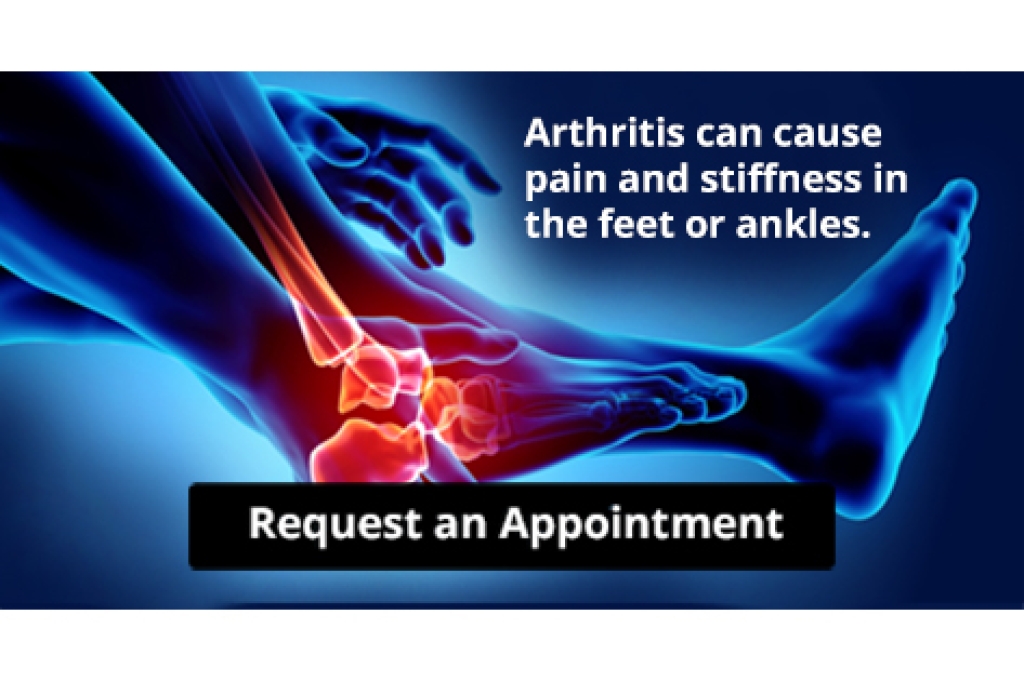
If you are suffering from tenderness, pain, or stiffness in the joints of your feet or ankles, call us to schedule an appointment.
If you are suffering from tenderness, pain, or stiffness in the joints of your feet or ankles, call us to schedule an appointment.
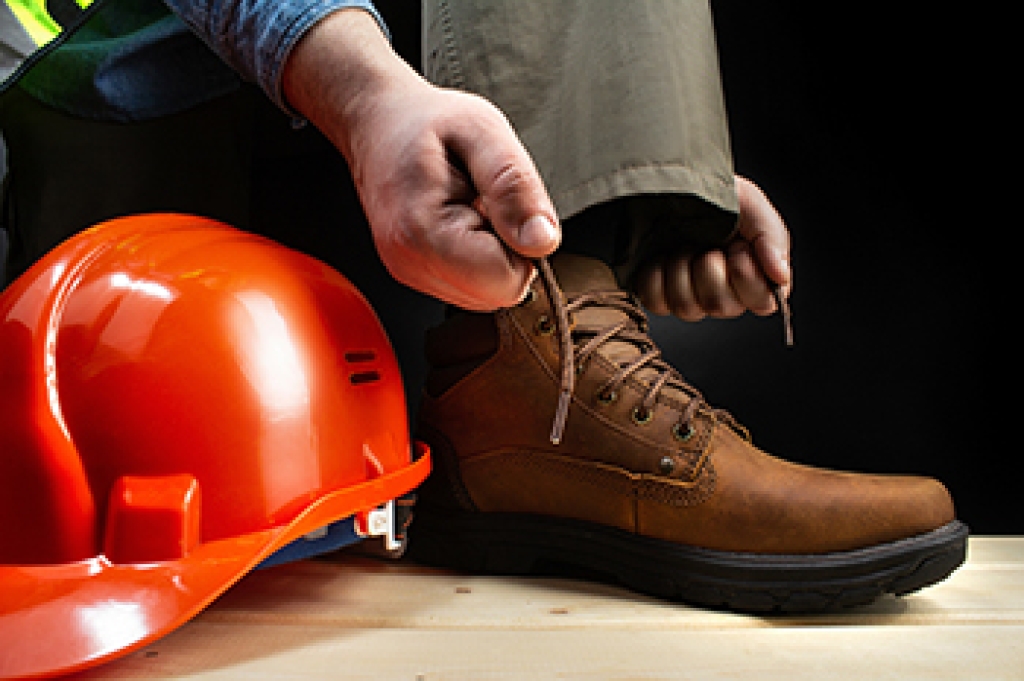
Construction work places constant stress on the feet, making proper footwear essential for safety and comfort. Safety shoes are specially designed work shoes created to safeguard feet from falling objects, heavy equipment, and hazardous surfaces. Their primary purpose is protecting feet against physical injuries such as crushing, punctures, and slips, while also providing stability on uneven ground. Wearing appropriate safety shoes can reduce the risk of workplace accidents and help prevent long-term foot problems caused by poor support or repeated impact. Wearing ill-fitting or worn out shoes may contribute to pain, fatigue, or injury over time. A podiatrist can evaluate foot structure, work demands, and existing discomfort to recommend supportive safety footwear or custom orthotics. If foot pain or fatigue is affecting your job performance, it is suggested that you consult a podiatrist who can treat various foot conditions, and guide you on appropriate shoes to wear for your workday.
While working on the feet, it is important to take the proper care of them. For more information about working on your feet, contact one of our podiatrists from Toe-Tal Family Foot & Wound Care Professionals . Our doctors will treat your foot and ankle needs.
Working on Your Feet
Standing on your feet for long periods of time can cause stress and pain in your feet. Your whole body may experience change in terms of posture, back pain, bunions, callouses and or plantar warts. There are ways to avoid these conditions with proper foot care, smart choices and correct posture.
Positive Changes
Negative heeled shoe – Choosing this shoe type places the heel slightly lower than the ball of the foot. These are great for overall foot health. Find shoes that fit you correctly.
Go barefoot – Our feet were not designed to be enclosed for all hours of the day. Try to periodically expose your feet to air.
Eliminate Pain
Foot Exercises – Performing simple exercises, incorporating yoga and doing stretches are beneficial. This will allow increased blood flow to the area and muscles of the foot.
Achilles tendon – Stretching the foot out flat on the floor will relax the calf muscles and tendon. These exercises can be performed almost anywhere. Make sure you add these exercises to your daily regimen.
With a little bit of this information and knowing more about foot health, you will notice changes. Foot stretches and proper footwear will help with pain and prevent further issues.
If you have any questions please contact our office located in Vista, CA and Las Vegas, NV . We offer the newest diagnostic and treatment technologies for all your foot and ankle needs.
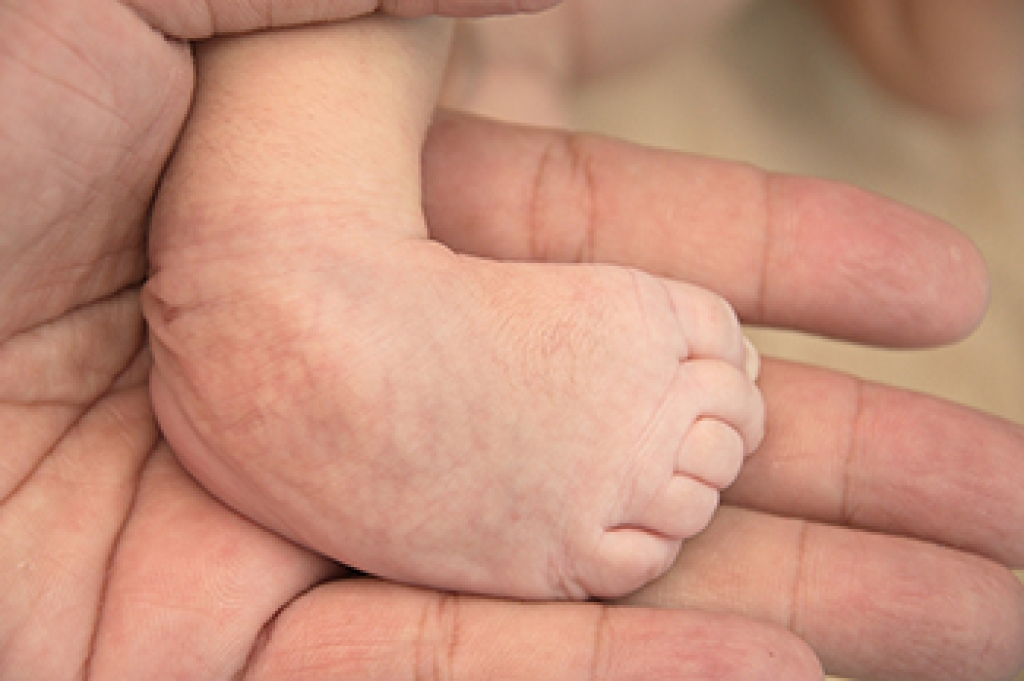
Clubfoot causes a baby’s foot to point downward and inward, and the tightness surrounding the ankle can make the foot feel stiff when gently moved. A podiatrist evaluates the structure of the feet soon after birth and can guide each step of care. Clubfoot is often diagnosed when the baby is born, and the podiatrist checks foot position, flexibility, and overall alignment before creating a treatment plan. This often follows a staged approach that improves the shape of the foot, over time. At first, casts are used to gradually shift the foot into a healthier position, and the child may then need surgery to release tight tissue. Next, a brace with boots and a bar works to keep the foot aligned during the baby's long-term growth. If your baby has clubfoot or other congenital foot problems, it is suggested that you schedule an appointment with a podiatrist for a diagnosis and ongoing treatment.
Congenital foot problems require immediate attention to avoid future complications. If you have any concerns, contact one of our podiatrists of Toe-Tal Family Foot & Wound Care Professionals . Our doctors can provide the care you need to keep you pain-free and on your feet.
Congenital foot problems are deformities affecting the feet, toes, and/or ankles that children are born with. Some of these conditions have a genetic cause while others just happen. Some specific foot ailments that children may be born with include clubfeet, polydactyly/macrodactyly, and cleft foot. There are several other foot anomalies that can occur congenitally. What all of these conditions have in common is that a child may experience difficulty walking or performing everyday activities, as well as trouble finding footwear that fits their foot deformity. Some of these conditions are more serious than others. Consulting with a podiatrist as early as possible will help in properly diagnosing a child’s foot condition while getting the necessary treatment underway.
What are Causes of Congenital Foot Problem?
A congenital foot problem is one that happens to a child at birth. These conditions can be caused by a genetic predisposition, developmental or positional abnormalities during gestation, or with no known cause.
What are Symptoms of Congenital Foot Problems?
Symptoms vary by the congenital condition. Symptoms may consist of the following:
Treatment and Prevention
While there is nothing one can do to prevent congenital foot problems, raising awareness and receiving neonatal screenings are important. Early detection by taking your child to a podiatrist leads to the best outcome possible.
If you have any questions, please feel free to contact our office located in Vista, CA and Las Vegas, NV . We offer the newest diagnostic and treatment technologies for all your foot care needs.
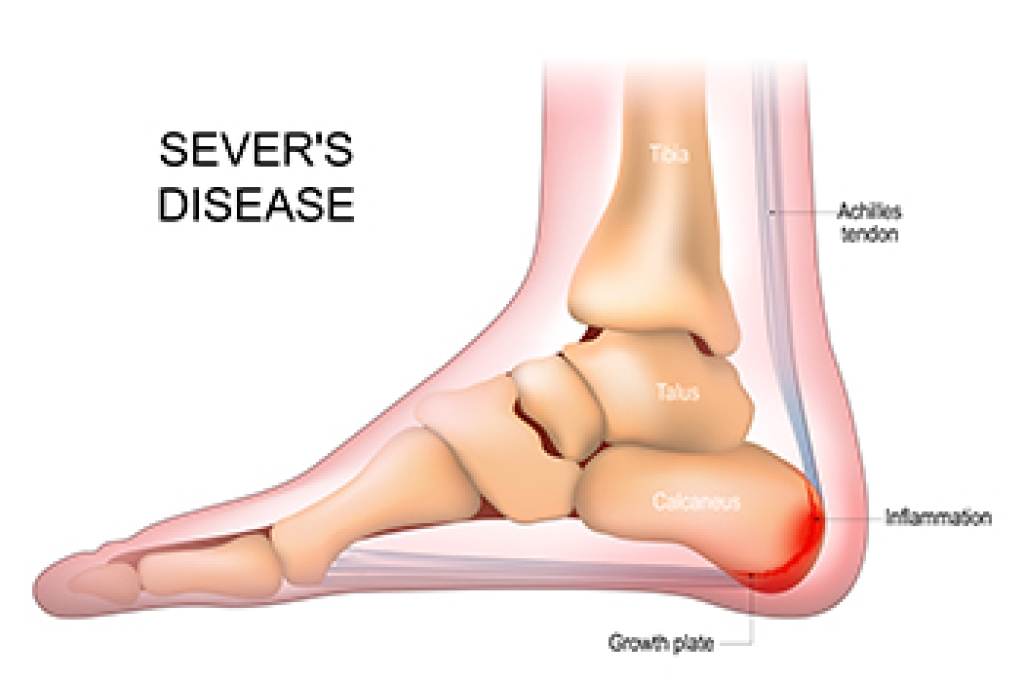
Sever’s disease is a common cause of heel pain in growing children and often appears during growth spurts when the heel bone develops faster than the surrounding soft tissues. Symptoms may include stiffness, tenderness at the back of the heel, limping after activity, and swelling that can make the heel look slightly puffy or irritated. It may feel like a deep ache or sharp discomfort during running and jumping, and the child may avoid weight bearing on the affected side. Causes often relate to repetitive stress from sports, tight calf muscles, or biomechanical issues such as flat feet or high arches. A podiatrist can begin by assessing the child’s gait, examining the heel, and ruling out other conditions. Early diagnosis leads to effective treatment options, such as activity modification, heel cushions, stretching programs, and custom orthotics to reduce strain. Because timely care supports proper healing and comfort, it is suggested that you schedule an appointment with a podiatrist for effective relief tips.
Sever's disease often occurs in children and teens. If your child is experiencing foot or ankle pain, see one of our podiatrists from Toe-Tal Family Foot & Wound Care Professionals . Our doctors can treat your child’s foot and ankle needs.
Sever’s Disease
Sever’s disease is also known as calcaneal apophysitis, which is a medical condition that causes heel pain I none or both feet. The disease is known to affect children between the ages of 8 and 14.
Sever’s disease occurs when part of the child’s heel known as the growth plate (calcaneal epiphysis) is attached to the Achilles tendon. This area can suffer injury when the muscles and tendons of the growing foot do not keep pace with bone growth. Therefore, the constant pain which one experiences at the back of the heel will make the child unable to put any weight on the heel. The child is then forced to walk on their toes.
Symptoms
Acute pain – Pain associated with Sever’s disease is usually felt in the heel when the child engages in physical activity such as walking, jumping and or running.
Highly active – Children who are very active are among the most susceptible in experiencing Sever’s disease, because of the stress and tension placed on their feet.
If you have any questions, please feel free to contact our office located in Vista, CA and Las Vegas, NV . We offer the newest diagnostic and treatment technologies for all your foot care needs.
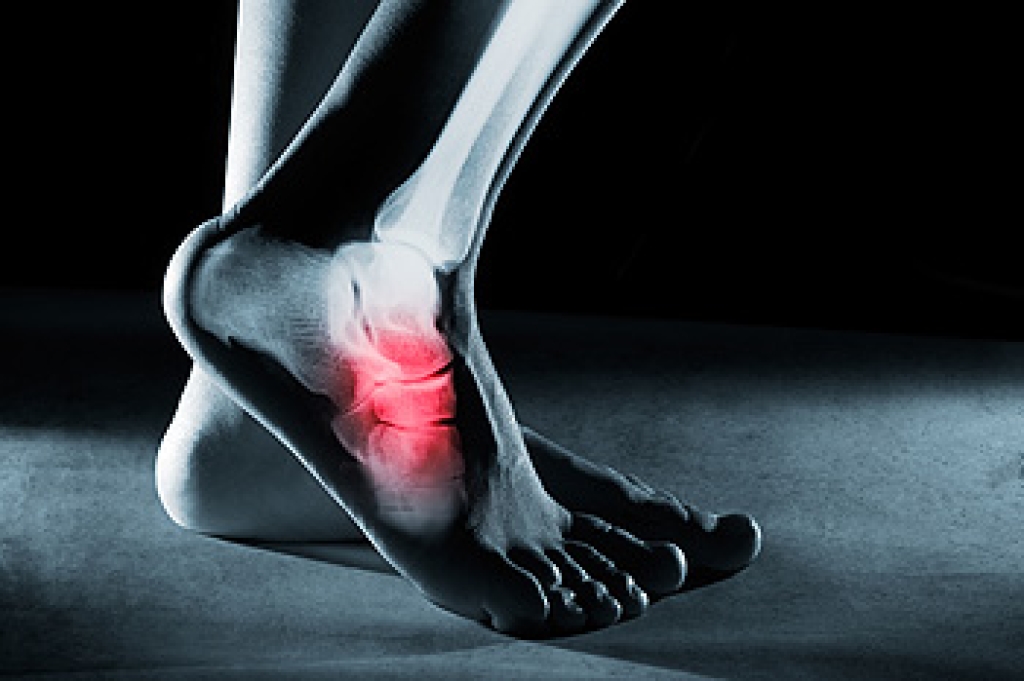
Stress fractures are tiny cracks in bones that develop from repetitive force or overuse, making them a common issue among runners and athletes. They often occur in the weight-bearing bones of the foot where repeated impact can exceed the bone’s ability to repair itself. Symptoms include localized pain that worsens with activity, swelling, tenderness, and difficulty walking. Risk factors include sudden increases in training intensity, wearing improper footwear, poor running mechanics, or low bone density. A podiatrist can evaluate the injury through a physical examination and imaging tests, suggest supportive footwear or custom orthotics, and recommend activity modifications. If you enjoy running and have developed consistent foot pain, it is suggested that you promptly consult a podiatrist who can offer relief, treatment, and prevention tips for foot and ankle injuries.
Activities where too much pressure is put on the feet can cause stress fractures. To learn more, contact one of our podiatrists from Toe-Tal Family Foot & Wound Care Professionals . Our doctors can provide the care you need to keep your pain free and on your feet.
Dealing with Stress Fractures of the Foot and Ankle
Stress fractures occur in the foot and ankle when muscles in these areas weaken from too much or too little use. The feet and ankles then lose support when walking or running from the impact of the ground. Since there is no protection, the bones receive the full impact of each step. Stress on the feet can cause cracks to form in the bones, thus creating stress fractures.
What Are Stress Fractures?
Stress fractures occur frequently in individuals whose daily activities cause great impact on the feet and ankles. Stress factors are most common among:
Symptoms
Pain from the fractures occur in the area of the fractures and can be constant or intermittent. It will often cause sharp or dull pain with swelling and tenderness. Engaging in any kind of activity which involves high impact will aggravate pain.
If you have any questions please contact our office located in Vista, CA and Las Vegas, NV . We offer the newest diagnostic and treatment technologies for all your foot and ankle needs.
Connect With Us
