Athlete’s Foot and How It Differs from Eczema

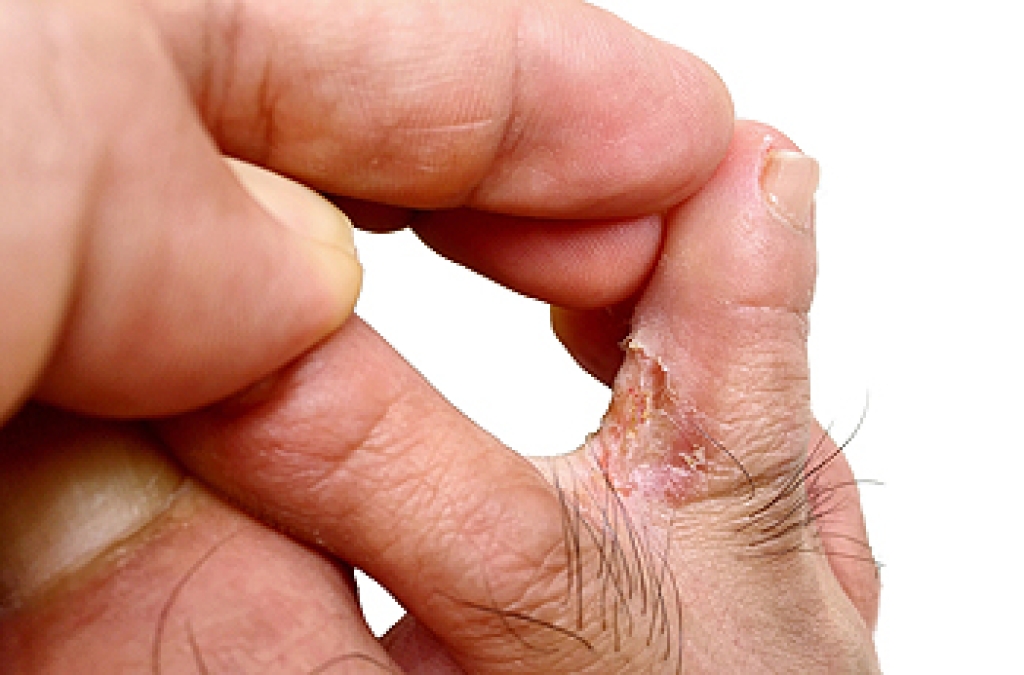
Athlete’s foot is a fungal infection that affects the skin of the feet, often causing peeling, itching, redness, and a burning sensation. Eczema is a noninfectious skin condition that creates dry, scaly, or inflamed patches and may cause intense itching without the presence of fungus. Athlete’s foot commonly appears between the toes, while eczema can affect any area of the foot and often feels rough or irritated rather than burning. A podiatrist can perform an examination to determine the correct diagnosis, provide antifungal treatment for athlete’s foot, or guide soothing care for eczema. If you are unsure about a persistent foot rash, it is suggested that you consult a podiatrist who can accurately diagnose and offer effective relief and treatment solutions.

Athlete’s foot is an inconvenient condition that can be easily reduced with the proper treatment. If you have any concerns about your feet and ankles, contact one of our podiatrists from Toe-Tal Family Foot & Wound Care Professionals .  Our doctors will treat your foot and ankle needs.

Athlete’s Foot: The Sole Story

Athlete's foot, also known as tinea pedis, can be an extremely contagious foot infection. It is commonly contracted in public changing areas and bathrooms, dormitory style living quarters, around locker rooms and public swimming pools, or anywhere your feet often come into contact with other people.

Solutions to Combat Athlete’s Foot

  • Hydrate your feet by using lotion
  • Exfoliate
  • Buff off nails
  • Use of anti-fungal products
  • Examine your feet and visit your doctor if any suspicious blisters or cuts develop

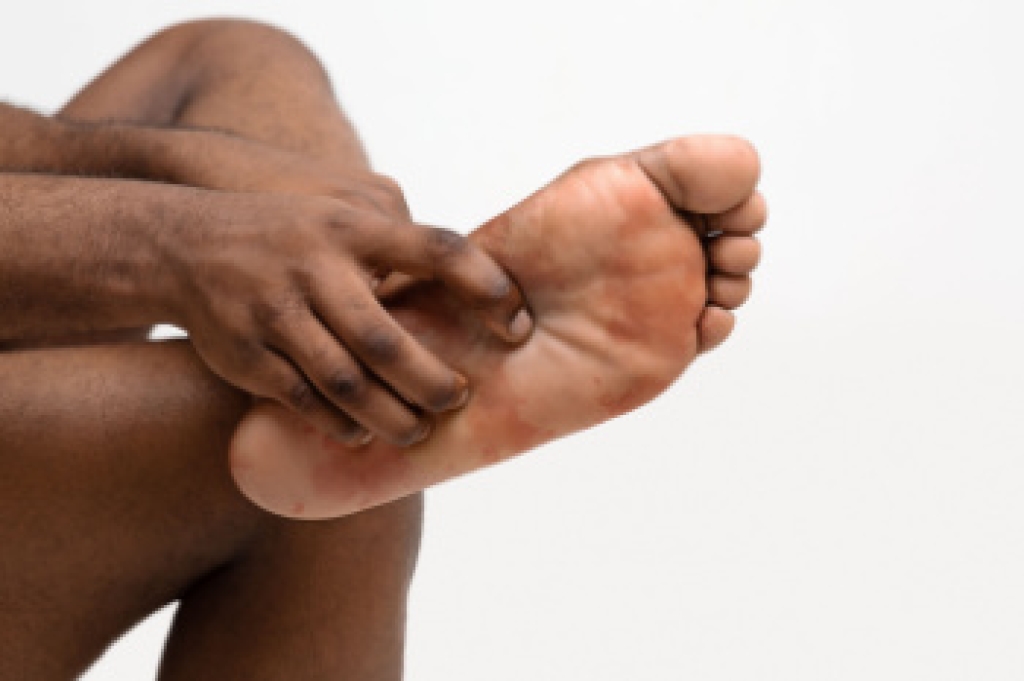
Athlete’s foot can cause many irritating symptoms such as dry and flaking skin, itching, and redness. Some more severe symptoms can include bleeding and cracked skin, intense itching and burning, and even pain when walking. In the worst cases, Athlete’s foot can cause blistering as well. Speak to your podiatrist for a better understanding of the different causes of Athlete’s foot, as well as help in determining which treatment options are best for you.

If you have any questions please feel free to contact our office located in Vista, CA and Las Vegas, NV . We offer the newest diagnostic and treatment technologies for all your foot and ankle needs.
Read more about Athlete's Foot

The Painful Reality of Plantar Fasciitis

Plantar fasciitis, one of the most common causes of heel pain, can affect anyone. However, it is more frequent in runners, people who are overweight, and those who spend long hours on their feet. It occurs when the plantar fascia, a thick band of tissue that supports the arch of the foot, becomes inflamed due to overuse, poor footwear, or foot structure issues. The condition often causes sharp pain near the heel, especially with the first steps in the morning or after periods of rest. The foot may look normal but feel tender, tight, and sore when walking or standing. A podiatrist can help by diagnosing the condition through physical examination, gait analysis, and imaging if needed. Treatment options include stretching exercises, orthotic devices, supportive footwear, and other therapies to reduce pain and inflammation. It is suggested that you make an appointment with a podiatrist if heel pain is limiting your daily activities. 

Plantar fasciitis can be very painful and inconvenient. If you are experiencing heel pain or symptoms of plantar fasciitis, contact one of our podiatrists  from Toe-Tal Family Foot & Wound Care Professionals . Our doctors can provide the care you need to keep you pain-free and on your feet.

What Is Plantar Fasciitis?

Plantar fasciitis is the inflammation of the thick band of tissue that runs along the bottom of your foot, known as the plantar fascia, and causes mild to severe heel pain.

What Causes Plantar Fasciitis?

  • Excessive running
  • Non-supportive shoes
  • Overpronation
  • Repeated stretching and tearing of the plantar fascia

How Can It Be Treated?

  • Conservative measures – anti-inflammatories, ice packs, stretching exercises, physical therapy, orthotic devices
  • Shockwave therapy – sound waves are sent to the affected area to facilitate healing and are usually used for chronic cases of plantar fasciitis
  • Surgery – usually only used as a last resort when all else fails. The plantar fascia can be surgically detached from the heel

While very treatable, plantar fasciitis is definitely not something that should be ignored. Especially in severe cases, speaking to your doctor right away is highly recommended to avoid complications and severe heel pain. Your podiatrist can work with you to provide the appropriate treatment options tailored to your condition.

If you have any questions, please feel free to contact our office located in Vista, CA and Las Vegas, NV . We offer the newest diagnostic and treatment technologies for all your foot care needs.

Read more about Plantar Fasciitis

Understanding Clubfoot and Its Effects

Clubfoot is a congenital condition in which a newborn’s foot is twisted out of its normal position, often turning inward or downward. The exact cause is not always known, but clubfoot may be related to genetic factors, abnormal fetal development, or limited space in the womb. Symptoms include a visibly misshapen foot, stiffness, and difficulty with normal movement as the child grows. Early diagnosis and treatment are essential for proper development. A podiatrist can help by guiding specialized care that may include stretching, casting, bracing, or monitoring long-term foot function. Early intervention leads to better outcomes and improved mobility. If your child has signs of clubfoot, it is strongly suggested that you include a podiatrist on your health care team to ensure healthy growth and support proper foot alignment.

Congenital foot problems require immediate attention to avoid future complications. If you have any concerns, contact one of our podiatrists of Toe-Tal Family Foot & Wound Care Professionals . Our doctors can provide the care you need to keep you pain-free and on your feet.

Congenital foot problems are deformities affecting the feet, toes, and/or ankles that children are born with. Some of these conditions have a genetic cause while others just happen. Some specific foot ailments that children may be born with include clubfeet, polydactyly/macrodactyly, and cleft foot. There are several other foot anomalies that can occur congenitally. What all of these conditions have in common is that a child may experience difficulty walking or performing everyday activities, as well as trouble finding footwear that fits their foot deformity. Some of these conditions are more serious than others. Consulting with a podiatrist as early as possible will help in properly diagnosing a child’s foot condition while getting the necessary treatment underway.

What are Causes of Congenital Foot Problem?

A congenital foot problem is one that happens to a child at birth. These conditions can be caused by a genetic predisposition, developmental or positional abnormalities during gestation, or with no known cause.

What are Symptoms of Congenital Foot Problems?

Symptoms vary by the congenital condition. Symptoms may consist of the following:

  • Clubfoot, where tendons are shortened, bones are shaped differently, and the Achilles tendon is tight, causing the foot to point in and down. It is also possible for the soles of the feet to face each other.
  • Polydactyly, which usually consists of a nubbin or small lump of tissue without a bone, a toe that is partially formed but has no joints, or an extra toe.
  • Vertical talus, where the talus bone forms in the wrong position causing other bones in the foot to line up improperly, the front of the foot to point up, and the bottom of the foot to stiffen, with no arch, and to curve out.
  • Tarsal coalition, when there is an abnormal connection of two or more bones in the foot leading to severe, rigid flatfoot.
  • Cleft foot, where there are missing toes, a V-shaped cleft, and other anatomical differences.
  • Macrodactyly, when the toes are abnormally large due to overgrowth of the underlying bone or soft tissue.

Treatment and Prevention

While there is nothing one can do to prevent congenital foot problems, raising awareness and receiving neonatal screenings are important. Early detection by taking your child to a podiatrist leads to the best outcome possible.

If you have any questions, please feel free to contact our office located in Vista, CA and Las Vegas, NV . We offer the newest diagnostic and treatment technologies for all your foot care needs.

Read more about Congenital Foot Problems

Risk Factors for Developing Foot Corns

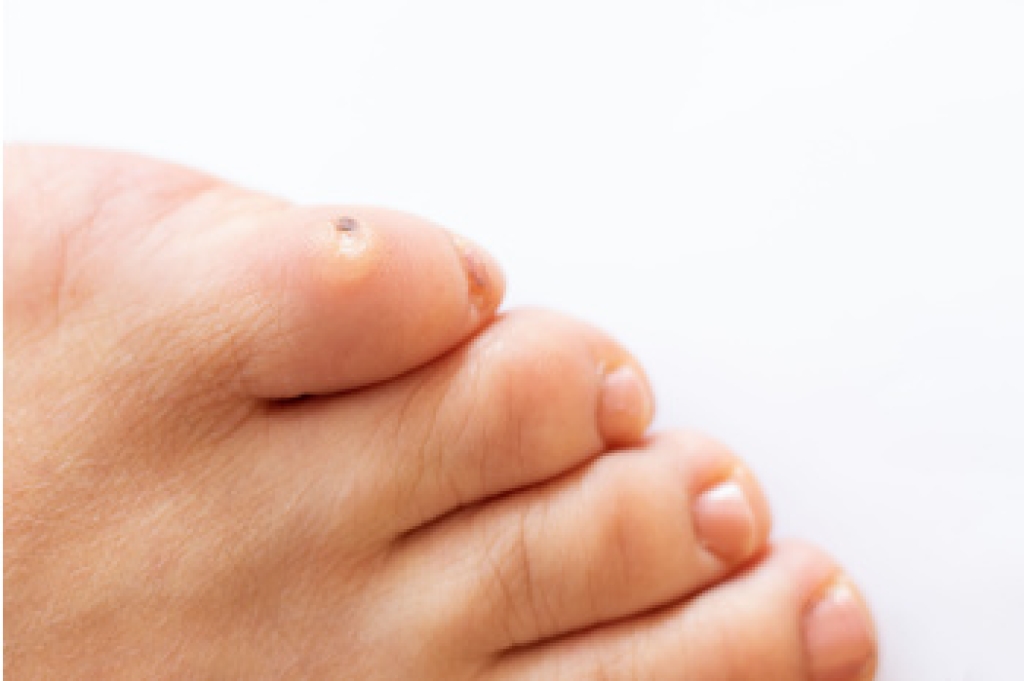
A foot corn is a thickened area of skin that develops from repeated friction or pressure, usually on the toes or soles. Corns form as a protective response but can become painful when they press into deeper tissues. Common causes include wearing tight shoes, abnormal foot structure, or high levels of physical activity. Symptoms often include tenderness or discomfort while walking, especially on a rough, hardened surface. People with diabetes or poor circulation are at a greater risk of complications. A podiatrist can safely remove corns, address the underlying cause, and recommend custom footwear or custom orthotics to prevent recurrence. If you have pain or difficulty walking due to corns, it is suggested that you consult a podiatrist who can provide effective relief and prevention tips.

If you have any concerns regarding your feet and ankles, contact one of our podiatrists of Toe-Tal Family Foot & Wound Care Professionals . Our doctors will treat your foot and ankle needs.

Corns: What Are They? and How Do You Get Rid of Them?
Corns can be described as areas of the skin that have thickened to the point of becoming painful or irritating. They are often layers and layers of the skin that have become dry and rough, and are normally smaller than calluses.

Ways to Prevent Corns
There are many ways to get rid of painful corns such as wearing:

  • Well-fitting socks
  • Comfortable shoes that are not tight around your foot
  • Shoes that offer support

Treating Corns
Treatment of corns involves removing the dead skin that has built up in the specific area of the foot. Consult with Our doctors to determine the best treatment option for your case of corns.

If you have any questions, please feel free to contact our office located in Vista, CA and Las Vegas, NV . We offer the newest diagnostic and treatment technologies for all your foot care needs.

Read more about Understanding Corns and Calluses

Definition of Cracked Heels

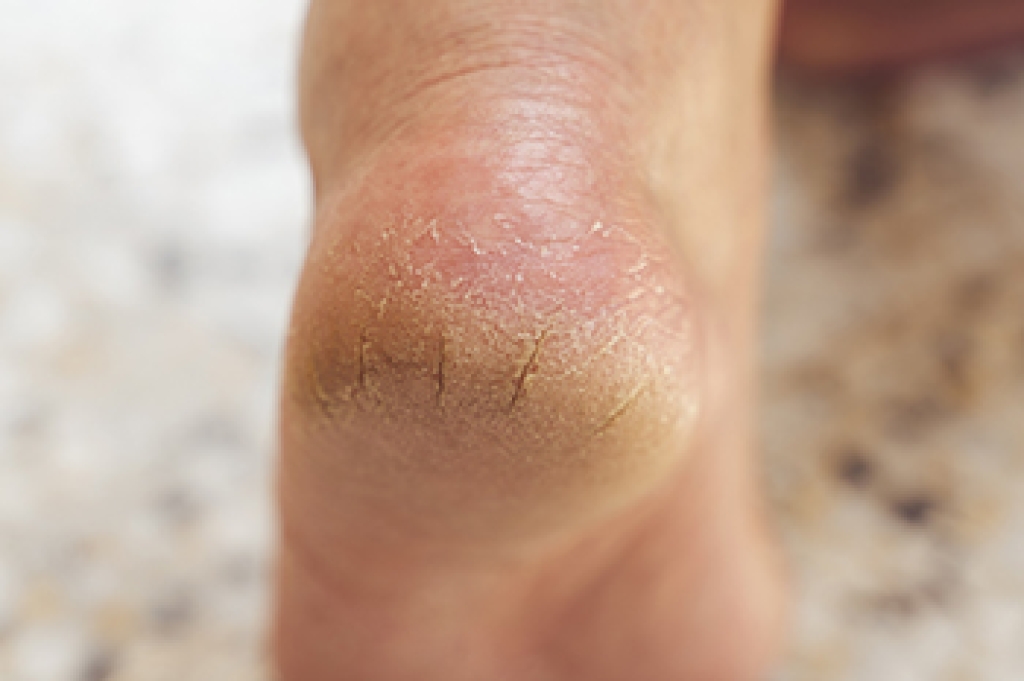
Cracked heels occur when the skin on the heel becomes dry, thick, and loses elasticity, leading to painful splits or fissures. They often develop from a combination of physiological predisposition, environmental factors, chemical irritants, and repeated stress on the feet from standing or walking on hard surfaces. These cracks can worsen over time and may even become infected, if untreated. A podiatrist can assess the severity, remove thickened skin safely, recommend protective treatments, and address underlying causes, such as abnormal gait or footwear. Do not let dry heels cause discomfort. If you have developed this uncomfortable condition, it is suggested that you consult a podiatrist who can effectively treat cracked heels, which may include prescribed medication.

Cracked heels are unsightly and can cause further damage to your shoes and feet. If you have any concerns, contact one of our podiatrists from Toe-Tal Family Foot & Wound Care Professionals . Our doctors can provide the care you need to keep you pain-free and on your feet.

Cracked Heels

Cracked heels appear unappealing and can make it harder for you walk around in sandals. Aside from looking unpleasant, cracked heels can also tear stockings, socks, and wear out your shoes. There are several methods to help restore a cracked heel and prevent further damage.

How Do You Get Them?

Dry skin is the number one culprit in creating cracked heels. Many athletes, walkers, joggers, and even swimmers suffer from cracked heels. Age and skin oil production play a role to getting cracked heels as well.

Promote Healing

Over the counter medicines can help, especially for those that need instant relief or who suffer from chronic dry feet.

Wear Socks – Wearing socks with medicated creams helps lock in moisture.

Moisturizers – Applying both day and night will help alleviate dryness which causes cracking.

Pumice Stones – These exfoliate and remove dead skin, which allows for smoother moisturizer application and better absorption into the skin. 

Change in Diet

Eating healthy with a well-balanced diet will give the skin a fresh and radiant look. Your body responds to the kinds of food you ingest. Omega-3 fatty acids and zinc supplements can also revitalize skin tissue.

Most importantly, seek professional help if unsure how to proceed in treating cracked heels. A podiatrist will help you with any questions or information needed. 

If you have any questions, please feel free to contact our office located in Vista, CA and Las Vegas, NV . We offer the newest diagnostic and treatment technologies for all your foot care needs.

Read more about Solutions for Cracked Heels

Connect With Us

scroll to top