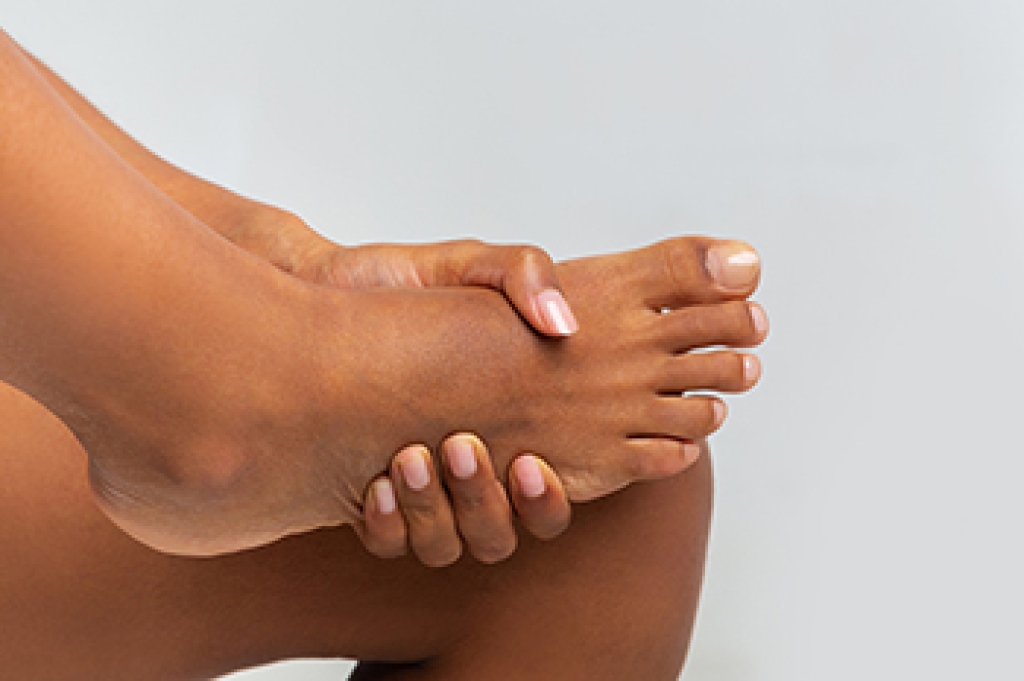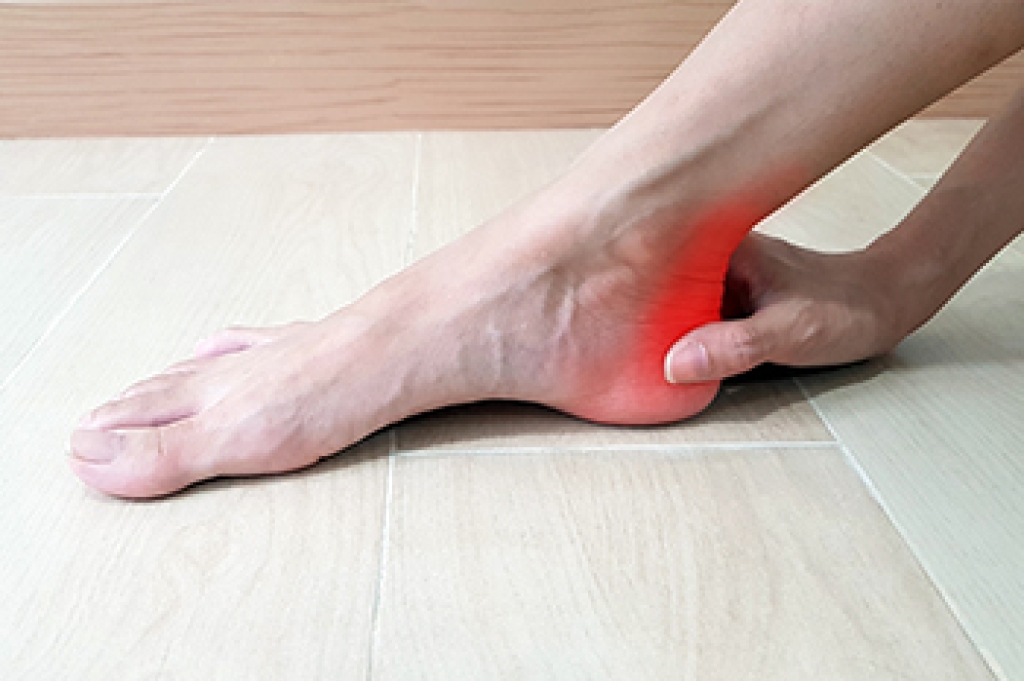
Achilles tendon pain refers to inflammation or injury of the tendon that connects the calf muscles to the heel bone. It is located at the back of the lower leg just above the heel, and plays a vital role in walking, running, and jumping. Causes include overuse, sudden increases in activity, exercising on uneven surfaces, obesity, and older age. Symptoms may include stiffness, swelling, tenderness, and difficulty pushing off the foot. In more serious cases, a partial tear or complete rupture can occur, leading to sharp pain and weakness. A podiatrist can diagnose the condition, recommend imaging if needed, and create a personalized treatment plan. If you have sustained an Achilles tenon injury, it is suggested that you consult a podiatrist who can offer effective relief and treatment solutions.
Achilles tendon injuries need immediate attention to avoid future complications. If you have any concerns, contact one of our podiatrists of Toe-Tal Family Foot & Wound Care Professionals . Our doctors can provide the care you need to keep you pain-free and on your feet.
What Is the Achilles Tendon?
The Achilles tendon is a tendon that connects the lower leg muscles and calf to the heel of the foot. It is the strongest tendon in the human body and is essential for making movement possible. Because this tendon is such an integral part of the body, any injuries to it can create immense difficulties and should immediately be presented to a doctor.
What Are the Symptoms of an Achilles Tendon Injury?
There are various types of injuries that can affect the Achilles tendon. The two most common injuries are Achilles tendinitis and ruptures of the tendon.
Achilles Tendinitis Symptoms
- Inflammation
- Dull to severe pain
- Increased blood flow to the tendon
- Thickening of the tendon
Rupture Symptoms
- Extreme pain and swelling in the foot
- Total immobility
Treatment and Prevention
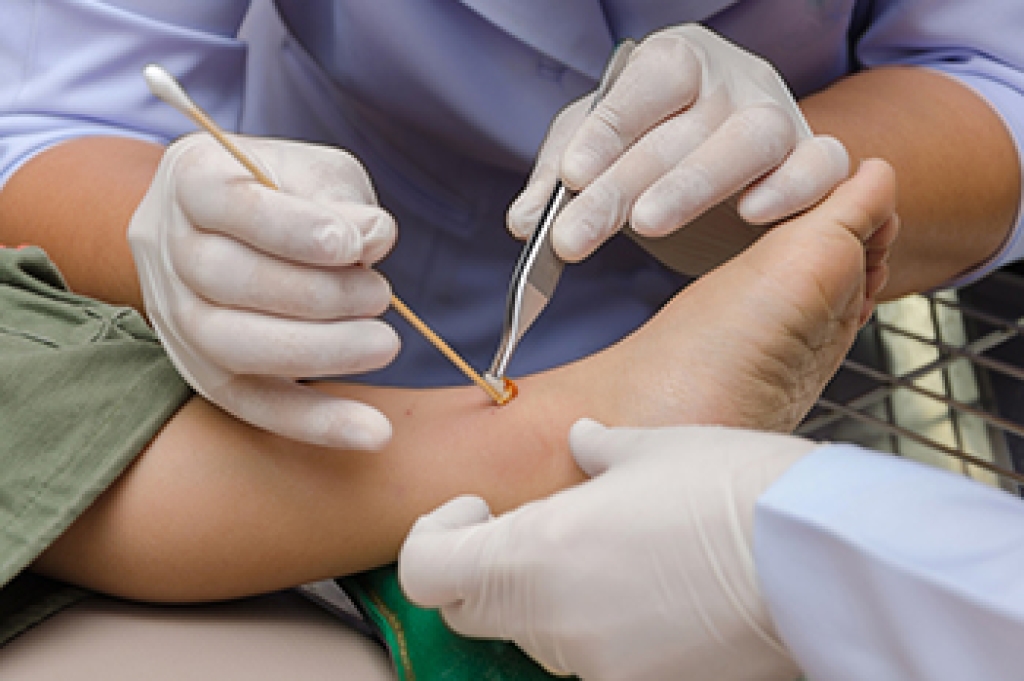
Achilles tendon injuries are diagnosed by a thorough physical evaluation, which can include an MRI. Treatment involves rest, physical therapy, and in some cases, surgery. However, various preventative measures can be taken to avoid these injuries, such as:
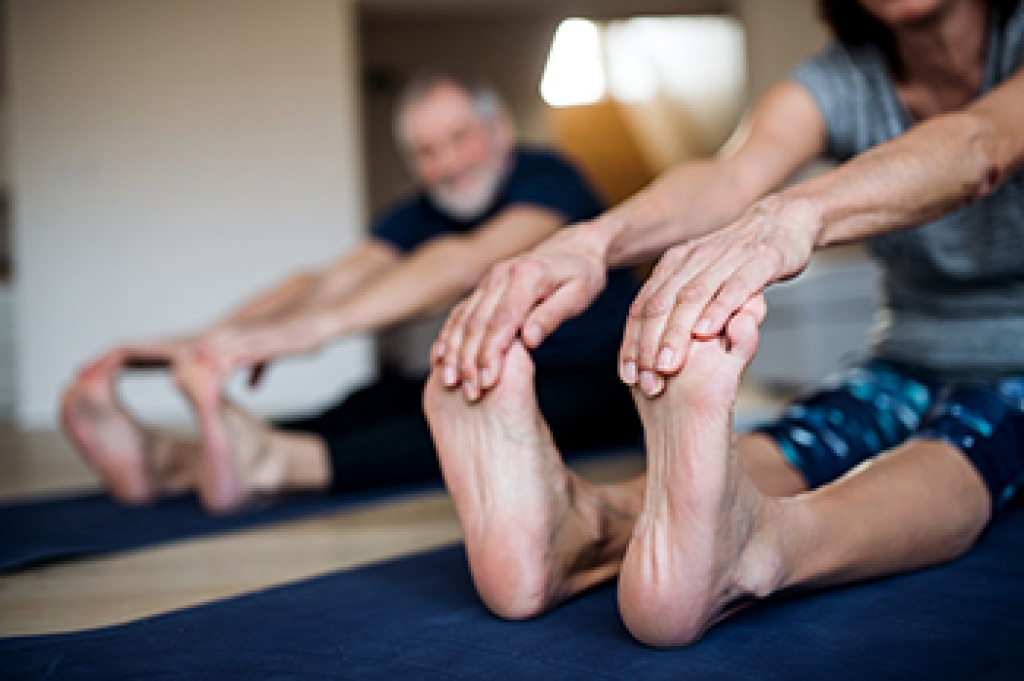
- Thorough stretching of the tendon before and after exercise
- Strengthening exercises like calf raises, squats, leg curls, leg extensions, leg raises, lunges, and leg presses
If you have any questions please feel free to contact our office located in Vista, CA and Las Vegas, NV . We offer the newest diagnostic tools and technology to treat your foot and ankle needs.