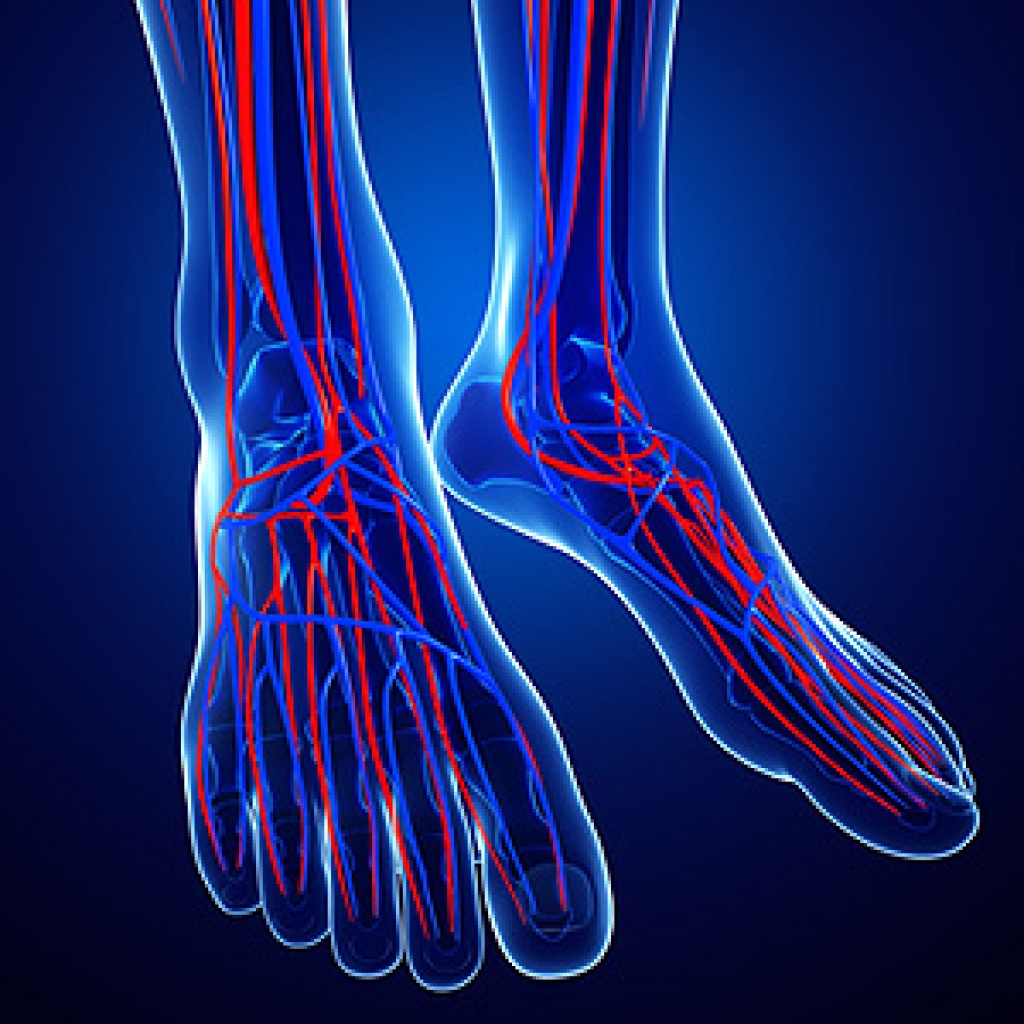
Cold Feet May Be a Sign of Poor Circulation

Patients who have poor circulation may have existing health ailments. This condition can be indicative of serious maladies that may include diabetes, kidney damage, or heart disease. People who sit for the majority of the day may be susceptible to developing poor circulation, but this condition may be avoided by gently stretching during the day. Additionally, eating foods that are unhealthy may put people at an increased risk for poor circulation. Some of the signs people notice can include leg cramps, cold feet, and patients may become unusually tired. If you feel you have this condition and are experiencing any of the above symptoms, it is advised that you seek the counsel of a podiatrist who can properly diagnose and treat poor circulation.

While poor circulation itself isn’t a condition; it is a symptom of another underlying health condition you may have. If you have any concerns with poor circulation in your feet contact one of our podiatrists of Toe-Tal Family Foot & Wound Care Professionals . Our doctors will treat your foot and ankle needs.

Poor Circulation in the Feet

Peripheral artery disease (PAD) can potentially lead to poor circulation in the lower extremities. PAD is a condition that causes the blood vessels and arteries to narrow. In a linked condition called atherosclerosis, the arteries stiffen up due to a buildup of plaque in the arteries and blood vessels. These two conditions can cause a decrease in the amount of blood that flows to your extremities, therefore resulting in pain.

Symptoms

Some of the most common symptoms of poor circulation are:

  • Numbness
  • Tingling
  • Throbbing or stinging pain in limbs
  • Pain
  • Muscle Cramps

Treatment for poor circulation often depends on the underlying condition that causes it. Methods for treatment may include insulin for diabetes, special exercise programs, surgery for varicose veins, or compression socks for swollen legs.

As always, see a podiatrist as he or she will assist in finding a regimen that suits you. A podiatrist can also prescribe you any needed medication. 

If you have any questions, please feel free to contact our office located in Vista, CA and Las Vegas, NV . We offer the newest diagnostic and treatment technologies for all your foot care needs.

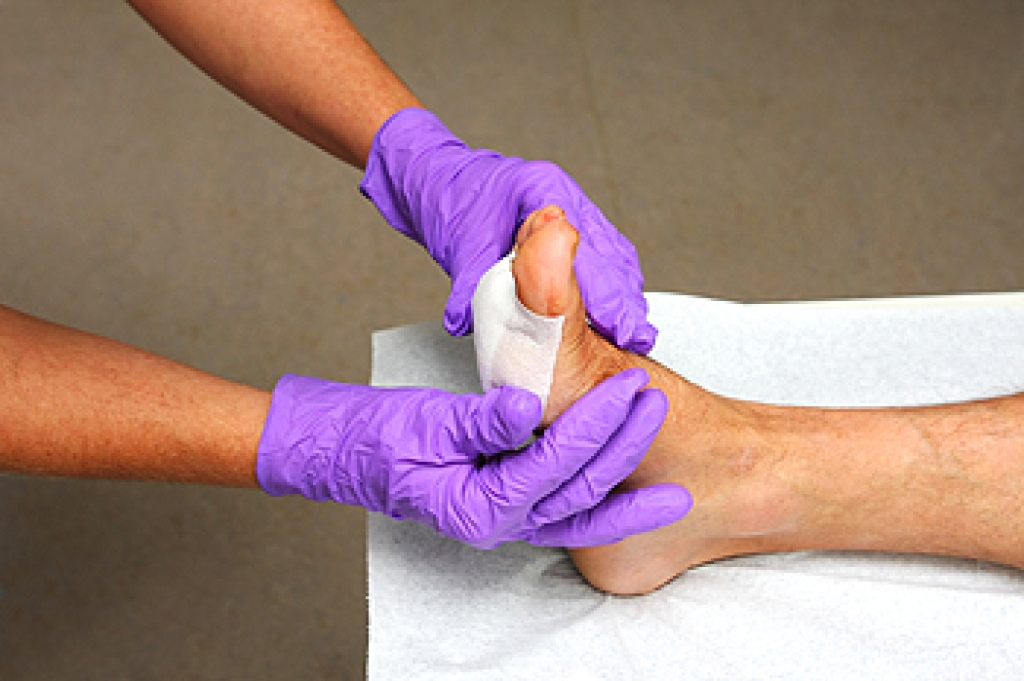
Read more about Causes, Symptoms, and Treatment of Poor Blood Circulation in the Feet

Eating Healthy Foods May Help Swollen Feet

Swollen feet is a condition many pregnant women battle with. This is a common foot ailment that can be a result of the growing baby, and thickened blood that can put pressure on the pelvis and feet. Additionally, specific hormones may cause the veins to become relaxed, and this may change the speed blood is moved throughout the body. It can be helpful to perform gentle foot stretches during the course of the day, which may alleviate a portion of the swelling. Research has indicated that staying hydrated by drinking plenty of water is important in reducing fluid that is stored in the tissues. This can also be achieved by eating healthy foods that can include asparagus, celery, watermelon, and other foods that can increase elimination of water. If you would like more information about how to reduce swelling in your feet, especially while you are pregnant, please speak with a podiatrist.

Pregnant women with swollen feet can be treated with a variety of different methods that are readily available. For more information about other cures for swollen feet during pregnancy, consult with one of our podiatrists from Toe-Tal Family Foot & Wound Care Professionals . Our doctors will attend to all of your foot and ankle needs.

What Foot Problems Can Arise During Pregnancy?

One problem that can occur is overpronation, which occurs when the arch of the foot flattens and tends to roll inward.  This can cause pain and discomfort in your heels while you’re walking or even just standing up, trying to support your baby.  

Another problem is edema, or swelling in the extremities. This often affects the feet during pregnancy but tends to occur in the later stages. 

How Can I Keep My Feet Healthy During Pregnancy?

  • Wearing orthotics can provide extra support for the feet and help distribute weight evenly
  • Minimize the amount of time spent walking barefoot
  • Wear shoes with good arch support
  • Wear shoes that allow for good circulation to the feet
  • Elevate feet if you experience swelling
  • Massage your feet
  • Get regular, light exercise, such as walking, to promote blood circulation to the feet

If you have any questions, please feel free to contact our office located in Vista, CA and Las Vegas, NV . We offer the newest diagnostic and treatment technologies for all your foot care needs.

Read more about Pregnancy and Foot Health

Nerve Inflammation May Be Morton’s Neuroma

Inflamed nerve tissue that is located between the third and fourth toe may be indicative of a condition that is referred to as Morton’s neuroma. This condition can cause severe pain and discomfort, and is typically felt in the ball of the foot. Some patients experience a burning or numbing sensation, often making it difficult to walk. This condition can occur as a result of wearing shoes that do not fit correctly, or from participating in running or jumping activities. Patients may find mild relief when custom-made orthotics are worn, in addition to gently massaging the affected area. Symptoms that persist for several months may be alleviated if surgery is chosen as a treatment option. If you have developed Morton’s neuroma, it is strongly suggested that you are under the care of a podiatrist who can help you with correct treatment techniques.

Morton’s neuroma is a very uncomfortable condition to live with. If you think you have Morton’s neuroma, contact one of our podiatrists of Toe-Tal Family Foot & Wound Care Professionals . Our doctors will attend to all of your foot care needs and answer any of your related questions.  

Morton’s Neuroma

Morton's neuroma is a painful foot condition that commonly affects the areas between the second and third or third and fourth toe, although other areas of the foot are also susceptible. Morton’s neuroma is caused by an inflamed nerve in the foot that is being squeezed and aggravated by surrounding bones.

What Increases the Chances of Having Morton’s Neuroma?

  • Ill-fitting high heels or shoes that add pressure to the toe or foot
  • Jogging, running or any sport that involves constant impact to the foot
  • Flat feet, bunions, and any other foot deformities

Morton’s neuroma is a very treatable condition. Orthotics and shoe inserts can often be used to alleviate the pain on the forefront of the feet. In more severe cases, corticosteroids can also be prescribed. In order to figure out the best treatment for your neuroma, it’s recommended to seek the care of a podiatrist who can diagnose your condition and provide different treatment options.

If you have any questions, please feel free to contact our office located in Vista, CA and Las Vegas, NV . We offer the newest diagnostic and treatment technologies for all your foot care needs.

Read more about What is Morton's Neuroma?

Possible Symptoms of a Stress Fracture

A stress fracture is defined as a small crack in the bones of the feet, and it is also known as a hairline fracture. It generally occurs as a result of repetitive force that can come from consistently participating in running and jumping activities. It happens gradually, and many patients who have this type of fracture often continue their day through the pain. They may notice symptoms that include swelling, achiness, and it is often painful to walk. Mild relief can be found when the activity that caused the fracture is stopped, and it may be beneficial to wear orthotics that can offer the necessary support as the healing process occurs. If you have a stress fracture that has impacted your foot, it is advised that you schedule an appointment with a podiatrist who can properly treat this condition.

Stress fractures occur when there is a tiny crack within a bone. To learn more, contact one of our podiatrists from Toe-Tal Family Foot & Wound Care Professionals . Our doctors can provide the care you need to keep you pain free and on your feet.

How Are They Caused?

Stress fractures are the result of repetitive force being placed on the bone. Since the lower leg and feet often carry most of the body’s weight, stress fractures are likely to occur in these areas. If you rush into a new exercise, you are more likely to develop a stress fracture since you are starting too much, too soon.  Pain resulting from stress fractures may go unnoticed at first, however it may start to worsen over time.

Risk Factors

  • Gender – They are more commonly found in women compared to men.
  • Foot Problems – People with unusual arches in their feet are more likely to develop stress fractures.
  • Certain Sports – Dancers, gymnasts, tennis players, runners, and basketball players are more likely to develop stress fractures.
  • Lack of Nutrients – A lack of vitamin D and calcium may weaken the bones and make you more prone to stress fractures
  • Weak Bones – Osteoporosis can weaken the bones therefore resulting in stress fractures

Stress fractures do not always heal properly, so it is important that you seek help from a podiatrist if you suspect you may have one. Ignoring your stress fracture may cause it to worsen, and you may develop chronic pain as well as additional fractures.

If you have any questions please contact our office located in Vista, CA and Las Vegas, NV . We offer the newest diagnostic and treatment technologies for all your foot and ankle needs.

Read more about Stress Fractures of the Foot and Ankle

How Is PAD Diagnosed?

There are common symptoms that many patients experience with peripheral artery disease (PAD). These can include cramping in the legs and feet while walking or exercising, foot wounds that have difficulty healing, and coldness in the feet. This condition can develop as a result of blocked arteries, and cramps are the body’s natural warning method of having inadequate blood flow. A proper diagnosis may include having a test performed that can check the blood pressure in the feet, which can be compared to the blood pressure in the arm. If there is an abnormal difference between the two, additional testing may be performed. If you feel you have symptoms of PAD, it is suggested that you schedule a consultation with a podiatrist who can properly diagnose and treat this condition.

Peripheral artery disease can pose a serious risk to your health. It can increase the risk of stroke and heart attack. If you have symptoms of peripheral artery disease, consult with one of our podiatrists from Toe-Tal Family Foot & Wound Care Professionals . Our doctors will assess your condition and provide you with quality foot and ankle treatment.

Peripheral artery disease (PAD) is when arteries are constricted due to plaque (fatty deposits) build-up. This results in less blood flow to the legs and other extremities. The main cause of PAD is atherosclerosis, in which plaque builds up in the arteries.

Symptoms

Symptoms of PAD include:

  • Claudication (leg pain from walking)
  • Numbness in legs
  • Decrease in growth of leg hair and toenails
  • Paleness of the skin
  • Erectile dysfunction
  • Sores and wounds on legs and feet that won’t heal
  • Coldness in one leg

It is important to note that a majority of individuals never show any symptoms of PAD.

Diagnosis

While PAD occurs in the legs and arteries, Podiatrists can diagnose PAD. Podiatrists utilize a test called an ankle-brachial index (ABI). An ABI test compares blood pressure in your arm to you ankle to see if any abnormality occurs. Ultrasound and imaging devices may also be used.

Treatment

Fortunately, lifestyle changes such as maintaining a healthy diet, exercising, managing cholesterol and blood sugar levels, and quitting smoking, can all treat PAD. Medications that prevent clots from occurring can be prescribed. Finally, in some cases, surgery may be recommended.

If you have any questions, please feel free to contact our office located in Vista, CA and Las Vegas, NV . We offer the newest diagnostic and treatment technologies for all your foot care needs.

Read more about Peripheral Artery Disease

Connect With Us

scroll to top